Milwaukee combines heavy manufacturing with a real insurance and financial sector. Both are industries where the software is old, works, and nobody wants to touch it.
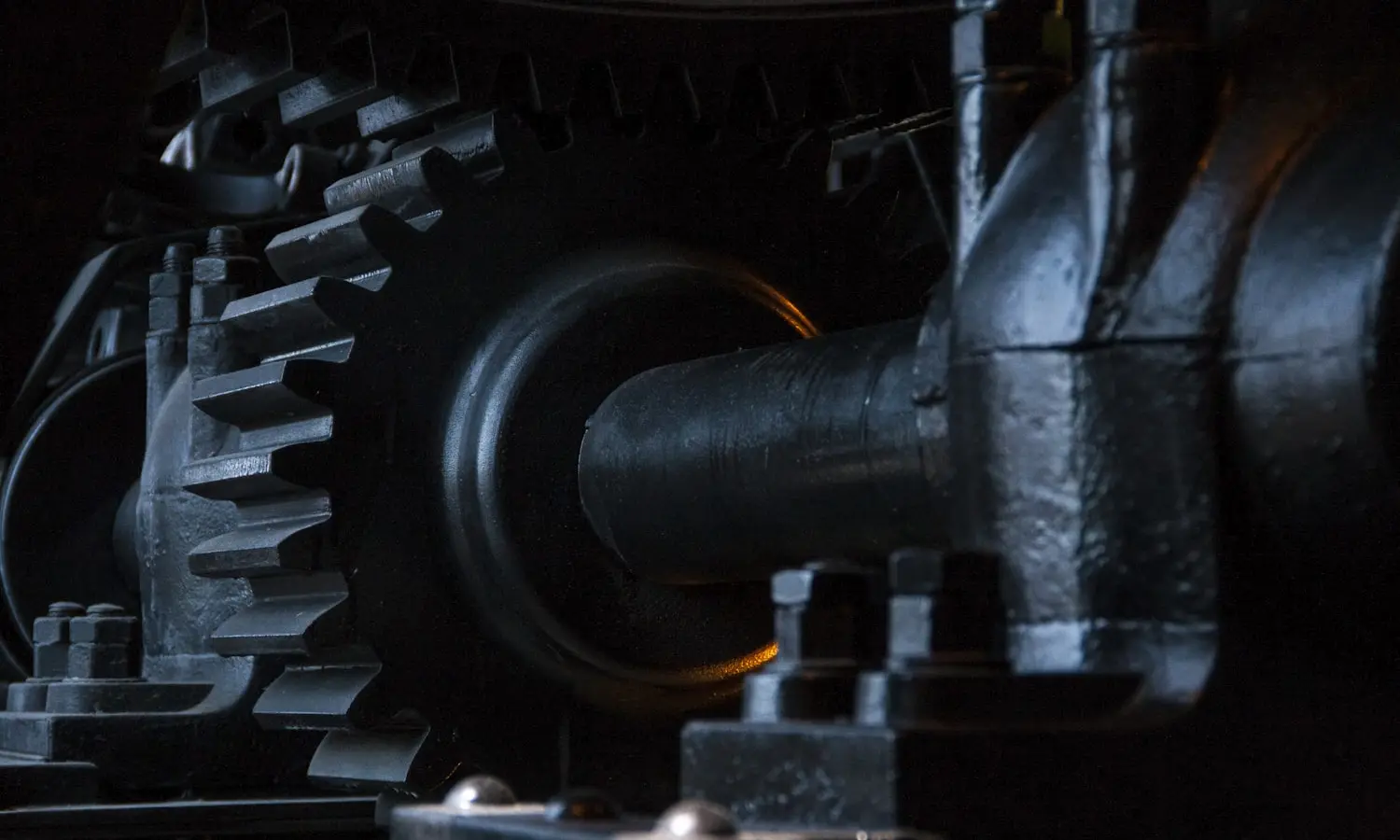
A machinery company runs an operational system installed in the early two-thousands. It is slow, ugly and completely reliable, and it holds two decades of orders, revisions and customer history. Three vendors have proposed replacing it. The proposal that actually makes sense is different: leave it running as the record, build a modern layer for the two workflows that hurt daily, and export what the office needs into something people can query. Nobody has to bet the company on a cutover weekend.
Industrial and machinery manufacturing remain central, alongside a financial and insurance cluster with deep roots. Both sectors run long-lived systems, which makes integration and modernization more relevant here than greenfield builds.
The market has established firms with long institutional relationships. The opening is with mid-size companies that find those firms too slow or too expensive for a specific project.
Either a machinery manufacturer with a system that predates most of the staff, or an insurance agency whose book of business lives inside somebody else's platform. Both are profitable, both are cautious, and both have been burned by a vendor who promised a migration and delivered a mess.
The old system works and holds twenty years of data. The realistic move is a modern layer on top, not a migration nobody has the appetite to survive.
Insurance agencies here often depend on a carrier or vendor platform for their book of business. Owning that record independently is worth more than most agencies realize until they try to leave.
What the floor is actually doing, available to the office without someone walking out to ask.
Also worth a look: what we do by industry, which goes deeper than this page on the specifics of each sector.
Usually not, and we would push back if that were the first suggestion. Systems that old are usually reliable and hold history you cannot lose. What works is building alongside: an integration layer, a modern interface, or an export that feeds newer tools. Full replacement is a last resort, not a starting point.
Yes, that is how every engagement runs. We are in Costa Rica, on Central time, so the overlap covers your whole workday. Compared to a team ten time zones away, that difference shows up in how fast decisions get made rather than in a status report.
With a call about where the work is leaking, not about technology. If what you need is a setting in a tool you already pay for, we say so. If it is a build, you get a proposal with defined deliverables and a fixed price for the work.
Tell us where the work is leaking. If the fix is something you can do without hiring anyone, we'll say that on the call.
Tell us what you need and we'll get back to you. No commitment, no sales pitch.
We use cookies to measure how the site gets used and for ads. Accept them or turn them down.
 Salomon Web Services