Memphis is a global logistics hub, and the whole local economy runs on a nightly cutoff. Software that assumes a normal business day misses how this market actually operates.
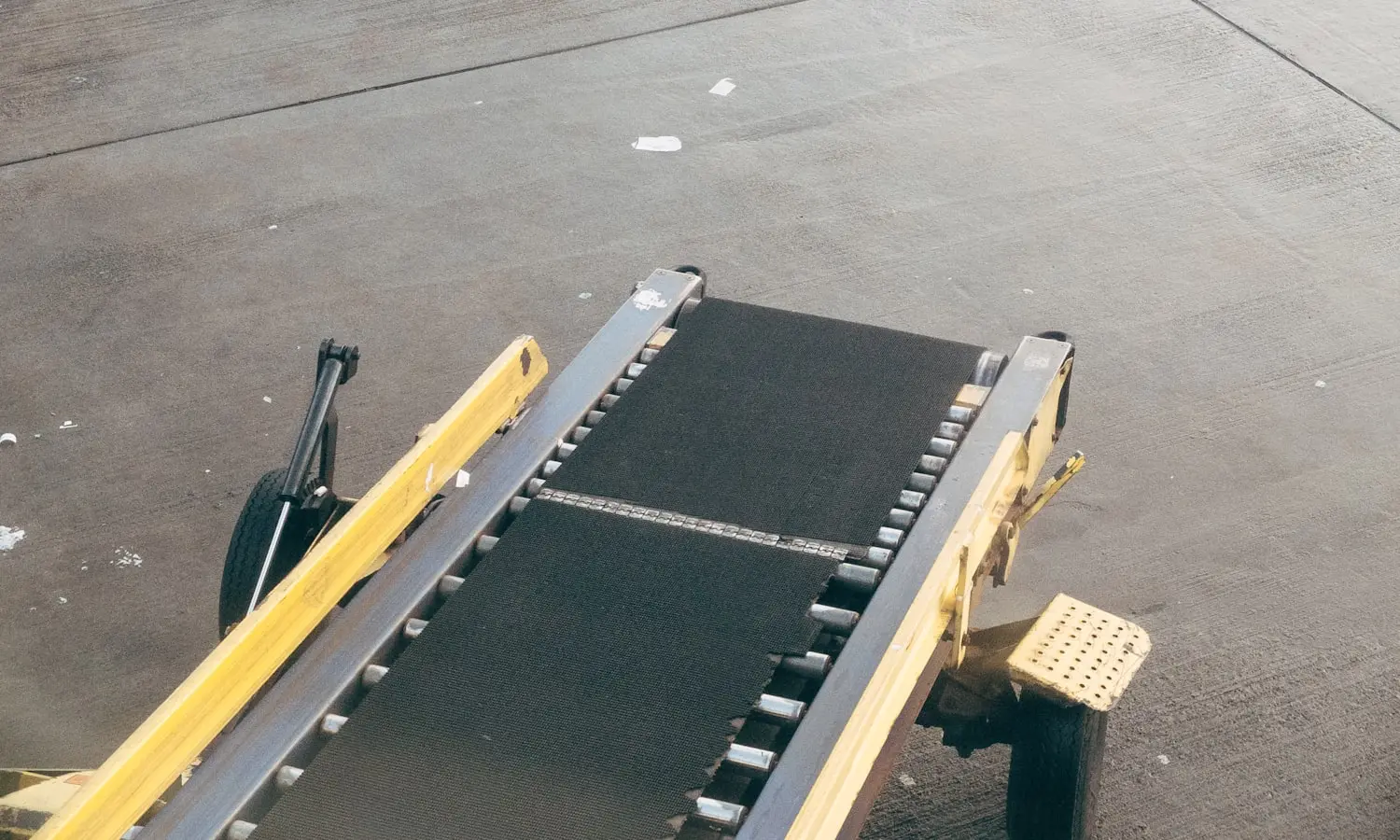
Systems here are judged by whether an order makes the outbound tonight. That single constraint shapes what the software has to prioritize.
A 3PL handling several clients needs each of them to see their own inventory and orders, without ever seeing anyone else's. That is a tenancy problem before it is a reporting one.
At this throughput the routine cases have to run untouched, so that people are available for the ones that actually need judgment.
A 3PL handles fulfillment for four clients out of one facility. Each wants to see their inventory and order status; none can see anyone else's. Today that means four spreadsheets emailed on different schedules and a person maintaining them. The build is a tenancy problem before it is a reporting one: separation designed in from the first table, because retrofitting it after client five arrives is a rewrite. Once it exists, adding a client is a configuration instead of a project.
A third-party logistics operator or a distributor whose customers each want visibility into their own inventory. Usually between thirty and four hundred people, growing, and running an operation whose complexity has outgrown the tooling that got them here.
One of the most important air cargo hubs in the world sits here, and around it a dense network of distribution, third-party logistics and medical device operations that exist precisely because of overnight reach.
Logistics technology is well understood locally, but usually at enterprise scale. Mid-size operators often find themselves between an oversized platform and a spreadsheet.
The distribution activity rings the airport and spreads southeast toward the interstate corridors and into Mississippi, which is a different tax and labor environment from the Tennessee side of the same metro.
Also worth a look: what we do by industry, which goes deeper than this page on the specifics of each sector.
It defines the architecture, so it is the first thing we design rather than an afterthought. Each client sees their own inventory, orders and reporting, with hard separation between them. Retrofitting that into a system built for a single operation is one of the more painful rewrites there is, so it gets decided in week one.
Yes, that is how every engagement runs. We are in Costa Rica, on Central time, so the overlap covers your whole workday. Compared to a team ten time zones away, that difference shows up in how fast decisions get made rather than in a status report.
With a call about where the work is leaking, not about technology. If what you need is a setting in a tool you already pay for, we say so. If it is a build, you get a proposal with defined deliverables and a fixed price for the work.
Tell us where the work is leaking. If the fix is something you can do without hiring anyone, we'll say that on the call.
Tell us what you need and we'll get back to you. No commitment, no sales pitch.
We use cookies to measure how the site gets used and for ads. Accept them or turn them down.
 Salomon Web Services