Cincinnati is consumer goods and the distribution network that moves them. Companies here tend to have sophisticated demand planning and surprisingly manual processes around it.
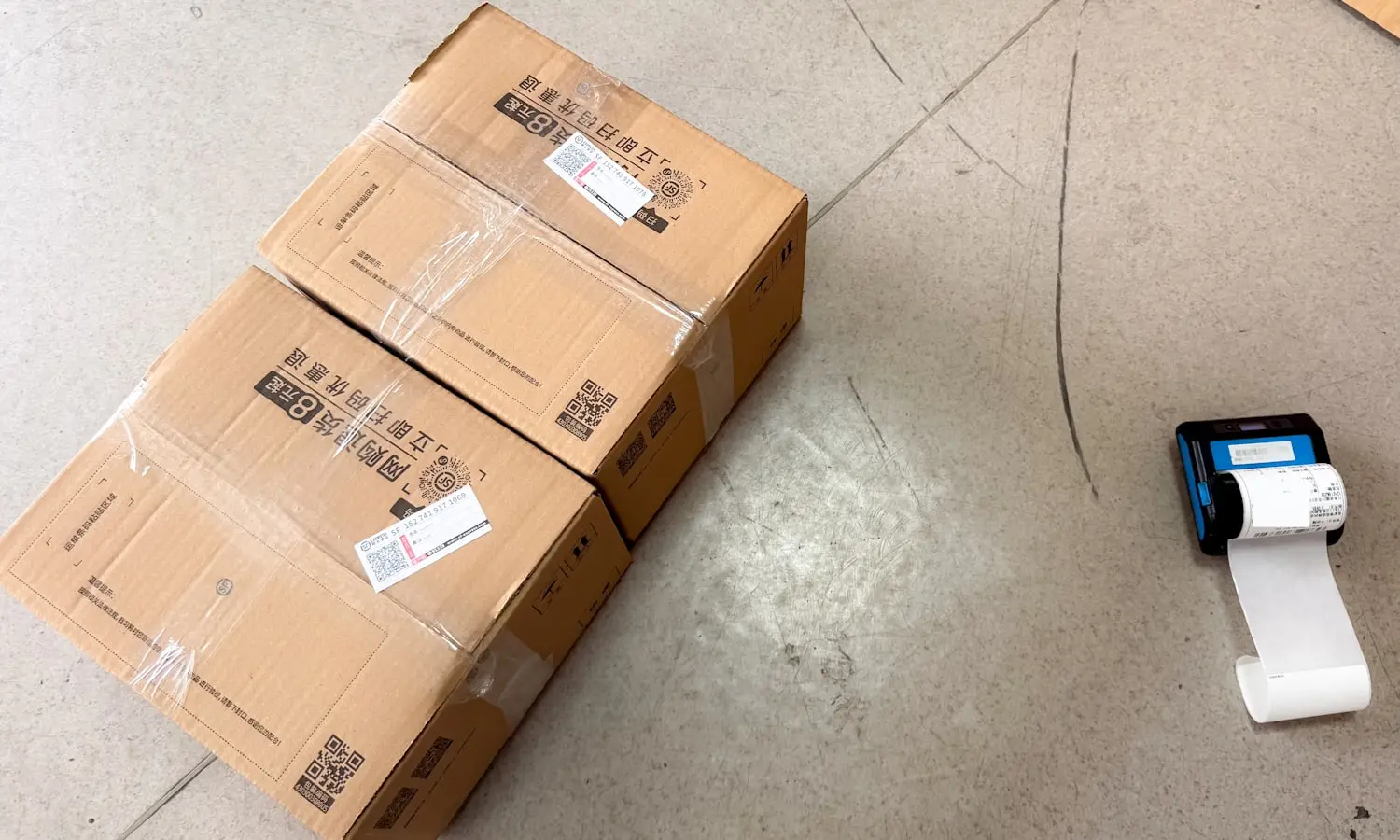
A brand ships to a large retailer that requires advance shipping notices in a specific format, on a specific schedule, with chargebacks when they are late or wrong. Today someone builds them by hand and the penalties are treated as a cost of doing business. Automating that is a well-bounded project with a number attached: the chargebacks stop, and the person doing it gets their week back. It is unglamorous and it is one of the clearest returns available in this market.
Brands selling through retailers and direct to consumers run two very different operations on one inventory. That reconciliation is where overselling starts.
Large retail customers impose their own data standards and penalties for missing them. Meeting those without a person doing it manually is a well-defined project.
Demand plans built on a spreadsheet that nobody reconciles against actual sell-through drift quietly until a season goes wrong.
Usually a consumer brand between twenty and two hundred people selling through retailers and direct at the same time, or a distributor serving them. They arrive when a retail customer imposes a data requirement, or when the inventory across channels stops agreeing.
Consumer brand activity concentrates in the northern suburbs around Blue Ash and Mason, distribution spreads along the interstate corridors toward Northern Kentucky, and the airport area on the Kentucky side is a logistics market of its own.
A concentration of consumer products companies, their agencies and suppliers, plus a substantial logistics and distribution sector serving the eastern half of the country.
Marketing and brand agencies are abundant and strong. Operational software is a much thinner field locally.
Also worth a look: what we do by industry, which goes deeper than this page on the specifics of each sector.
It should, and if it does not you are probably paying for it in overselling and manual reconciliation. The key decision is which system is authoritative for inventory, with everything else reconciling to it on a schedule you can see. That decision takes an hour and prevents most of the problems that follow.
Yes, that is how every engagement runs. We are in Costa Rica, on Central time, so the overlap covers your whole workday. Compared to a team ten time zones away, that difference shows up in how fast decisions get made rather than in a status report.
With a call about where the work is leaking, not about technology. If what you need is a setting in a tool you already pay for, we say so. If it is a build, you get a proposal with defined deliverables and a fixed price for the work.
Tell us where the work is leaking. If the fix is something you can do without hiring anyone, we'll say that on the call.
Tell us what you need and we'll get back to you. No commitment, no sales pitch.
We use cookies to measure how the site gets used and for ads. Accept them or turn them down.
 Salomon Web Services